Key Takeaways
-
Commercial retaining walls require engineering oversight, permit management, and advanced drainage planning—skip these elements and you risk costly failure and liability issues.
-
Always verify contractors have specific commercial-scale project experience, proper licensing/insurance, and knowledge of local permit requirements (walls often need permits above 30-48 inches).
-
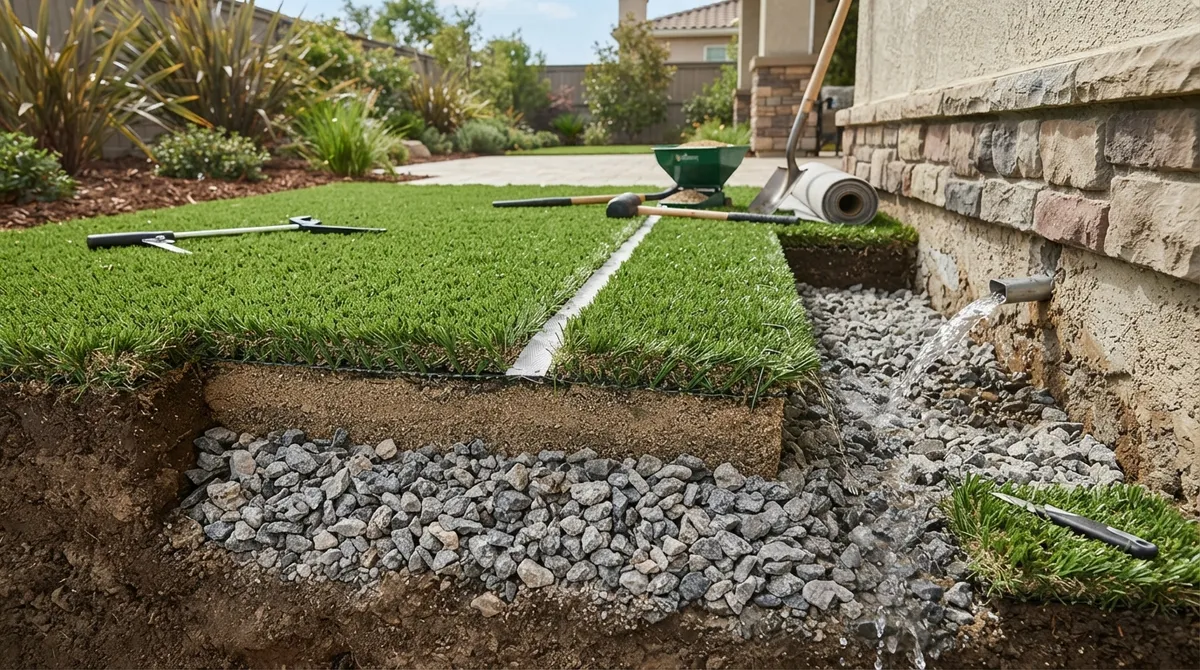
Water drainage is critical to preventing wall failure; reputable builders incorporate drainage solutions like gravel backfill, drain pipes, or weep holes into the design from the start.
-
Get 2-3 written quotes comparing materials, drainage planning, permits, cleanup, and warranty details—a slightly higher price often delivers significantly more value than the cheapest option.
-
Red flags include contractors quoting without a site visit, skipping drainage discussion, lacking permit knowledge, or offering vague contracts without clear scope of work.
-
Commercial retaining walls create both functional benefits (slope stabilization, erosion control, stormwater management) and visual value (usable outdoor space and improved curb appeal).
If your commercial property has slopes, erosion problems, or awkward grade changes, a retaining wall might be exactly what you need. But finding the right commercial retaining wall builders can feel overwhelming. There are so many contractors out there, and not all of them have the experience or skills to handle commercial-scale projects. The stakes are high — a poorly built wall can fail, cause damage, and cost far more to fix than it would have to build correctly the first time.
This guide walks you through everything you need to know to hire the right team. From understanding what these builders actually do to knowing which questions to ask, you’ll feel confident by the end. Whether you manage an office park, own a retail property, or are developing new commercial land in the Chicago suburbs, this is your roadmap to getting it right.
What Commercial Retaining Wall Builders Actually Do
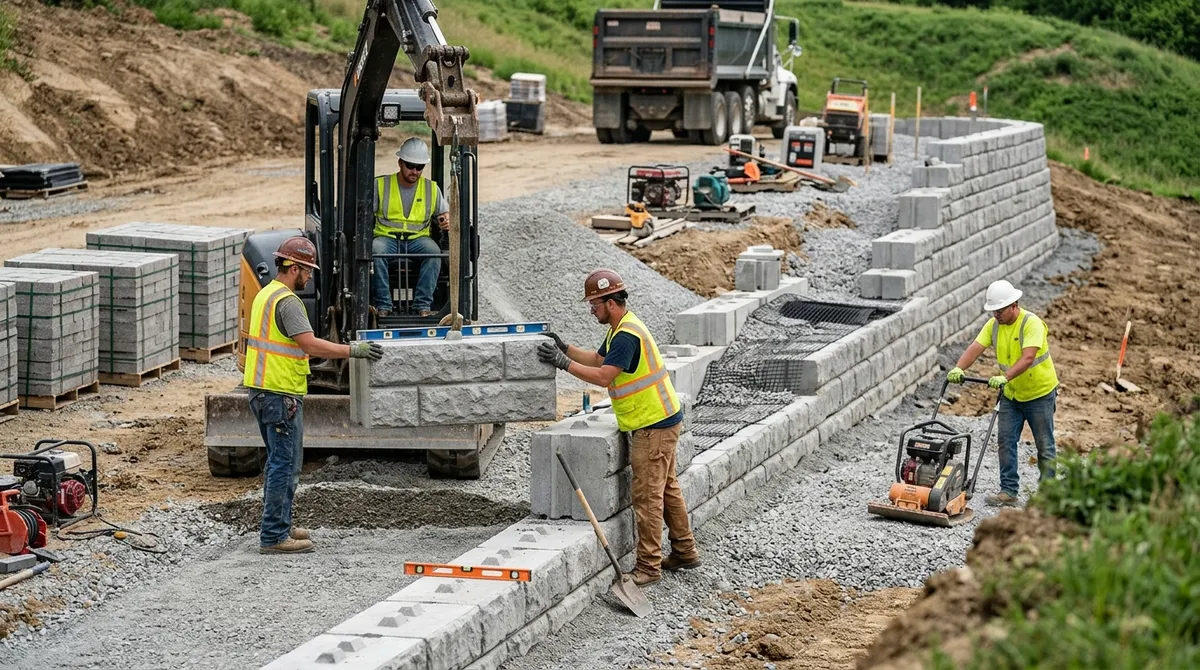
Commercial retaining wall builders are landscaping and hardscaping contractors who specialize in designing and installing walls that hold soil in place. They work on business properties, multifamily developments, municipalities, and other non-residential sites. Their job goes well beyond stacking blocks or stones.
Here’s what a qualified commercial retaining wall contractor typically handles:
- Site assessment and soil analysis
- Wall design and structural engineering
- Permits and compliance with local codes
- Excavation and site preparation
- Drainage system planning and installation
- Wall construction using appropriate materials
- Final grading and landscaping integration
You can learn more about the full scope of this work by reading what a commercial retaining wall contractor actually does. It’s a helpful starting point before you reach out to any builder.
Why Commercial Properties Need Retaining Walls
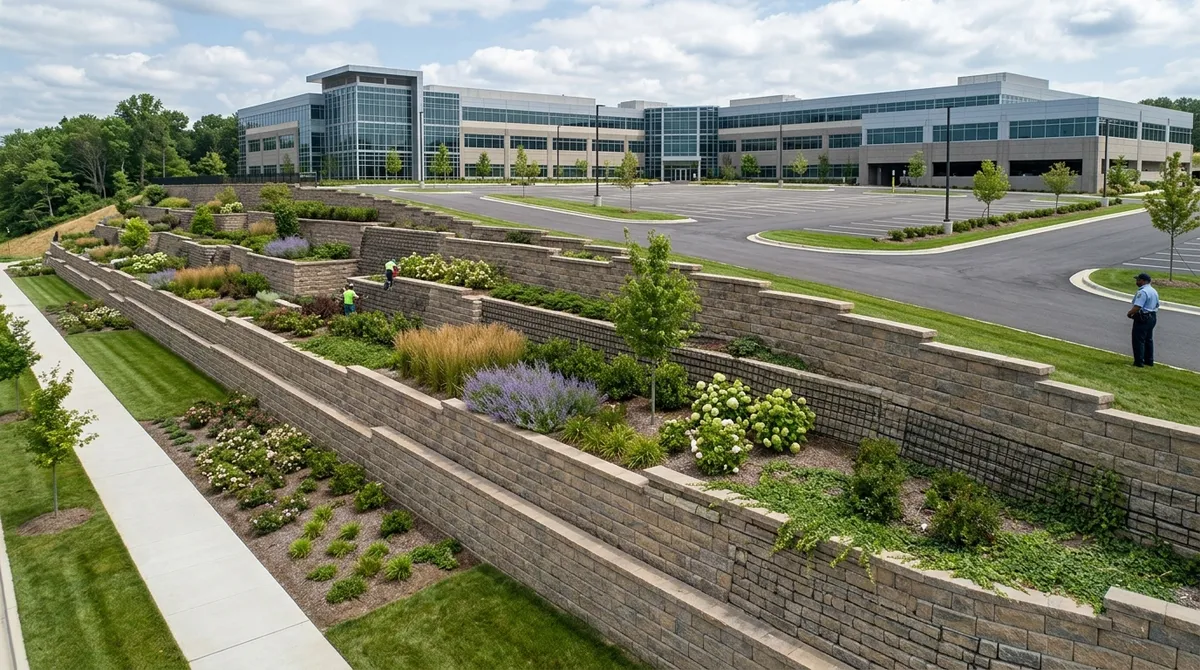
Retaining walls serve both functional and visual purposes on commercial properties. They stabilize slopes, control soil erosion, and support changes in grade. Without proper slope management, heavy rains can wash away soil, damage your foundation, and create liability hazards.
But walls also do something else — they create usable outdoor space. A sloped lot that once felt unusable can become a tiered patio, a landscaped entrance, or a clean, organized outdoor area. That’s why so many property managers and business owners invest in them.
If you’re not sure whether your property needs one, check out what a retaining wall is and whether you need one — it’s a quick and helpful read.
Commercial retaining walls also play a big role in stormwater management. Poorly managed water runoff can damage parking lots, walkways, and building foundations. A well-designed wall with proper drainage is one of the best tools available for managing this challenge. For a deeper look at this topic, this comparison of retaining walls vs. drainage systems is worth reading.
Key Factors to Look for in a Commercial Retaining Wall Builder
Not every landscaping contractor is equipped for commercial retaining wall work. Here are the most important things to look for when evaluating builders.
1. Experience with Commercial-Scale Projects
Commercial walls are different from residential walls. They tend to be larger, require engineering oversight, and face stricter code requirements. Look for contractors who specifically mention commercial experience — not just backyard walls. Ask to see examples of commercial projects they’ve completed.
2. Licensing, Insurance, and Permits
Always verify that your contractor is properly licensed and insured. For commercial retaining walls, permits are often required, especially once wall height exceeds local thresholds. For example, some jurisdictions require permits for walls above 30–48 inches. A reputable builder will know your local requirements and handle the permitting process for you.
3. Engineering and Drainage Expertise
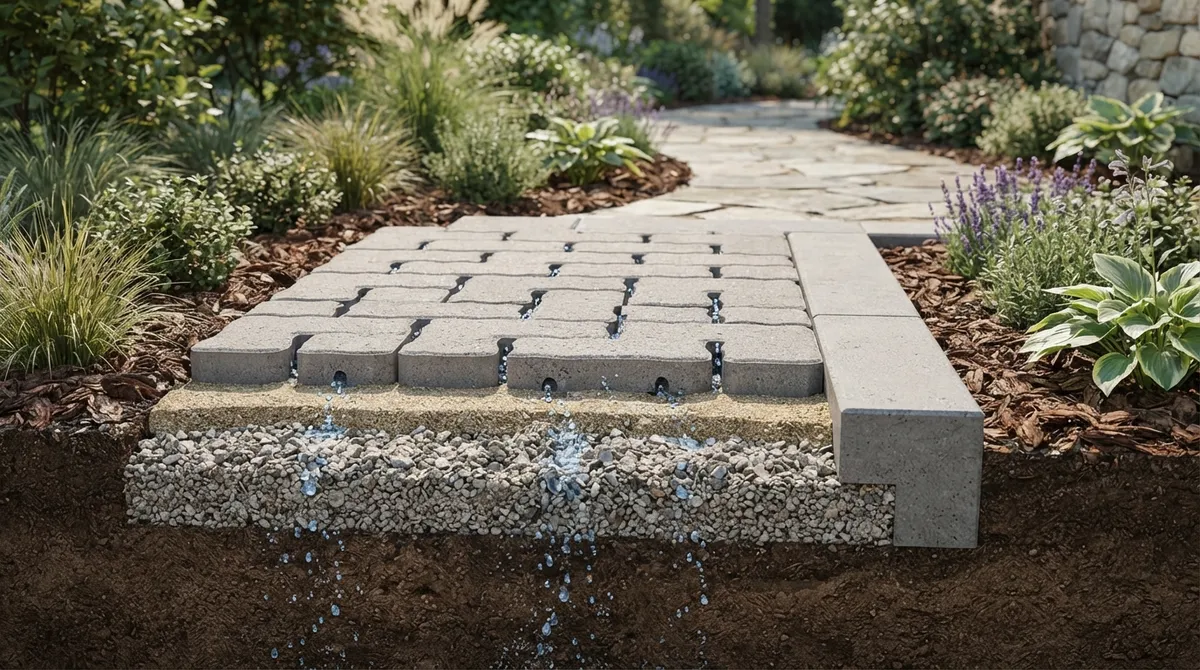
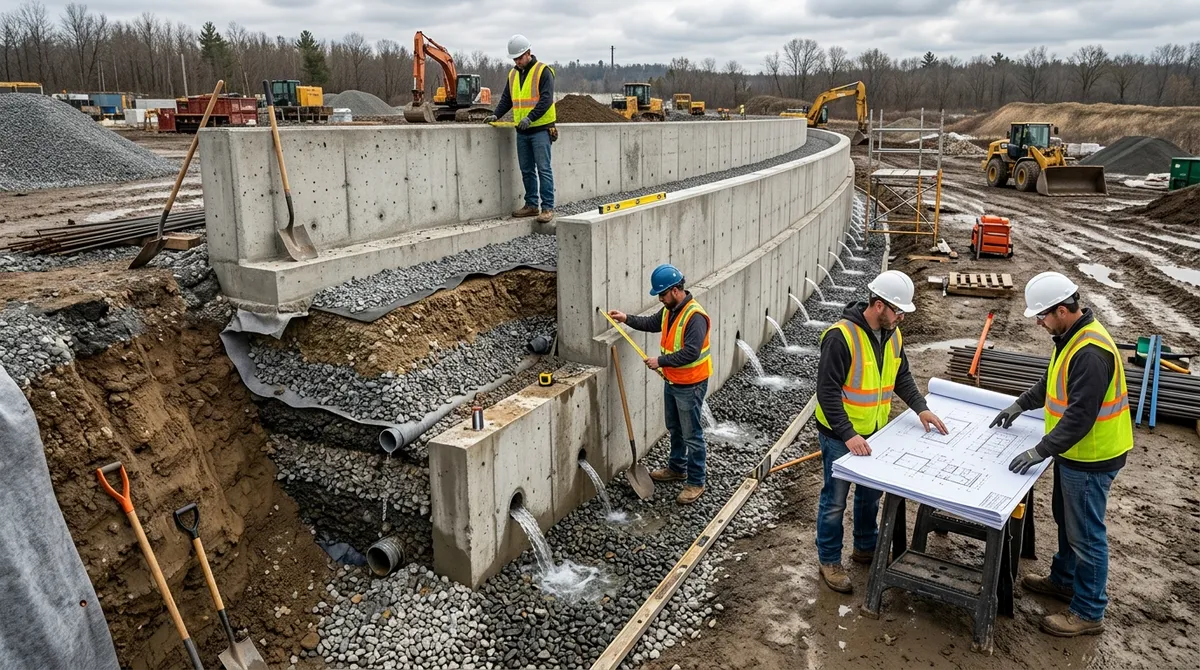
Water pressure is one of the leading causes of retaining wall failure. A good commercial retaining wall builder will incorporate drainage solutions into the wall design from the start. This might include gravel backfill, drain pipes, or weep holes. Builders who skip this step are cutting corners. Read more about retaining wall engineering services to understand what proper planning looks like.
4. Quality Materials
Commercial retaining walls are commonly built from concrete blocks, natural stone, or brick. Each material has different strengths depending on the site and design goals. A knowledgeable builder will recommend the right material for your specific needs — not just the cheapest option. If you’re leaning toward stone, this guide on choosing natural stone commercial retaining walls is a great resource.
5. A Clear Process and Timeline
Good contractors communicate clearly and give you a written scope of work. They’ll walk you through each phase — from site prep to final installation — so there are no surprises. Ask for a project timeline upfront and confirm who will be on-site managing the work.
How Much Does a Commercial Retaining Wall Cost?
Cost is always a top concern for property managers and business owners. Retaining wall pricing varies based on wall length, height, material, site conditions, and drainage complexity. Here’s a general overview to help you budget:
| Wall Size | Estimated Cost Range | Notes |
|---|---|---|
| Small wall (under 50 linear feet) | $2,500 – $7,500 | Basic residential or small commercial |
| Mid-size wall (100 linear feet, 4 ft high) | $14,000 – $20,000 | Typical commercial project range |
| Large commercial wall | $25,000+ | Depends on materials, drainage, engineering |
These are general estimates. Your actual cost will depend on site-specific factors. Always get at least two to three written quotes before making a decision. And keep in mind — a lower price doesn’t always mean better value. Factor in the quality of materials, drainage planning, and the contractor’s track record.
Common Retaining Wall Materials for Commercial Properties
Choosing the right material is a big part of a successful commercial retaining wall project. Here’s a breakdown of the most commonly used options:
- Concrete segmental blocks: Durable, cost-effective, and available in many styles. Great for large walls with clean, modern aesthetics.
- Natural stone: Beautiful and long-lasting. Adds a high-end look that works well for upscale commercial properties.
- Brick: Classic appearance with solid performance. Often used for properties where visual consistency with existing architecture matters.
- Gabion walls: Wire baskets filled with rock. Excellent for drainage and naturalistic designs. Learn more about why gabion wall installation is a great choice for commercial properties.
- Precast modular blocks: Fast to install and highly engineered. A popular choice for large-scale commercial projects. See why precast modular block walls work so well.
Your builder should help you choose the right material based on your site’s soil type, drainage conditions, load requirements, and design goals.
Step-by-Step: How to Hire the Right Commercial Retaining Wall Builder
Ready to start the hiring process? Here’s a simple, step-by-step approach to finding the best commercial retaining wall builders for your project.
- Define your project goals. Know what you need before reaching out to contractors. Are you managing erosion? Creating usable space? Improving curb appeal? Having clear goals helps you communicate better and get more accurate quotes.
- Research local contractors. Look for landscaping and hardscaping companies with specific commercial retaining wall experience in your area. Check reviews, ask for referrals, and visit job sites if possible. The Landscape Illinois association is a good place to start your search for qualified professionals.
- Request consultations and site visits. Invite two or three contractors to walk your property. A good builder will assess the slope, soil conditions, and drainage before giving you a quote. Be cautious of anyone who quotes a price without visiting your site.
- Compare quotes carefully. Don’t just look at the bottom line. Compare what’s included — materials, drainage, permits, cleanup, and warranty. A slightly higher quote may offer significantly more value.
- Check credentials and references. Verify licensing, insurance, and any relevant certifications. Look for contractors affiliated with organizations like ICPI Certified Installer programs, which signal a commitment to quality standards.
- Review the contract carefully. Before signing, make sure the contract covers scope of work, timeline, materials, payment schedule, and warranty details. A reputable builder stands behind their work.
For additional tips, this guide on finding the best commercial retaining wall contractors walks you through the process in more detail.
Questions to Ask Before You Hire
Asking the right questions upfront saves you time, money, and headaches later. Here are the most important ones:
- How many commercial retaining wall projects have you completed?
- Do you handle permits, or is that my responsibility?
- What drainage solution will you use for this wall?
- What materials do you recommend and why?
- How long will the project take from start to finish?
- What warranty do you offer on your work?
- Can you provide references from similar commercial projects?
These questions help you quickly separate experienced professionals from contractors who may not be up to the task. Don’t skip this step — it’s one of the most important parts of the hiring process.
Retaining Walls as Part of a Broader Commercial Landscape Plan
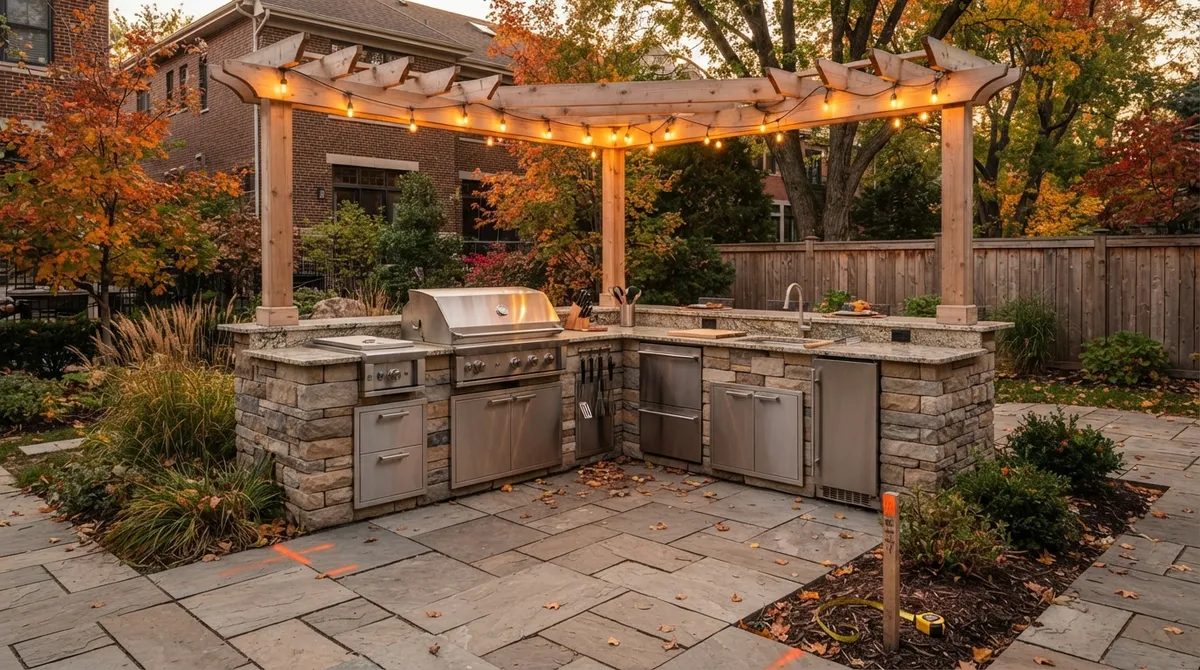
The best commercial properties don’t stop at retaining walls. A well-designed wall is just one piece of a larger hardscaping and landscaping vision. Think about how your wall connects to other features like paver walkways and patios, softscape plantings, and landscape lighting.
When all these elements work together, your property looks polished, professional, and inviting. That kind of curb appeal makes a real difference for businesses trying to attract customers, tenants, or clients. You can see how this all comes together by browsing the gallery of our work at Serenity Landscape Group.
For commercial property managers specifically, a complete hardscaping plan paired with professional commercial lawn maintenance is the most effective way to keep your property looking great year-round with minimal hassle. You can also explore 7 ways commercial landscaping boosts your business in 2026 to see just how impactful a well-maintained landscape can be.
Red Flags to Watch Out For
Not every contractor who calls themselves a commercial retaining wall builder is truly qualified. Here are some warning signs to watch for:
- No site visit before quoting. Any legitimate contractor needs to see your property before giving you an accurate estimate.
- No mention of drainage. Drainage is non-negotiable in retaining wall construction. If a contractor doesn’t bring it up, that’s a serious concern.
- No permit knowledge. Commercial walls often require permits. A builder who is unfamiliar with local requirements may not have enough experience for your project.
- Vague contracts. If the scope of work isn’t clearly defined in writing, protect yourself by walking away.
- No references or portfolio. Every experienced commercial contractor should be able to show you past work and provide references.
Avoiding these pitfalls can save you from costly mistakes. For more on this, read about hardscaping mistakes to avoid — many of them apply directly to retaining wall projects.
Why Chicago-Area Property Owners Trust Local Expertise
Chicago’s soil conditions, freeze-thaw cycles, and heavy rain seasons create unique challenges for retaining wall construction. Local builders who understand these conditions are far better equipped to design walls that last. They know which materials perform best through harsh Midwest winters and which drainage strategies hold up under heavy spring rainfall.
At Serenity Landscape Group, we’ve spent over two decades working in the greater Chicago metropolitan area. Our team understands the local landscape inside and out — from soil types to permit requirements — and we bring that knowledge to every commercial retaining wall project we take on. Whether you’re in the suburbs or the city, we tailor our approach to your site’s specific needs.
If you’re ready to talk about your project, you’re welcome to learn about our process or explore our retaining wall services in more detail. And if you’d like to connect with a third-party resource, the Landscape Illinois association also provides helpful guidance for finding qualified professionals across the state.
Take the Next Step Toward a Stronger, Better-Looking Property
Hiring the right commercial retaining wall builders comes down to doing your homework, asking the right questions, and choosing a team with proven commercial experience. A well-built retaining wall doesn’t just solve a slope or erosion problem — it enhances your property’s function, safety, and visual appeal for years to come.
Whether you’re managing erosion on a large commercial site, creating tiered outdoor space, or simply trying to make your property look more polished and professional, the right builder will make all the difference. Don’t rush the hiring process, and don’t be afraid to ask tough questions before you commit.
Ready to get started? Request a free estimate from our team today and let’s talk about how we can help transform your commercial property into something you’re proud of. You can also call us directly at (630) 359-5139 — we’d love to hear about your project and get you pointed in the right direction.
FAQs
Q: What do commercial retaining wall builders do differently than residential contractors?
A: Commercial retaining wall builders handle larger-scale projects that often require engineering oversight, permit management, and advanced drainage planning. Residential jobs are typically smaller and less complex, while commercial sites demand more structural precision and must meet stricter local code requirements.
Q: How much does a commercial retaining wall typically cost?
A: Costs vary based on size, materials, and site conditions, but a typical 100-linear-foot wall that stands 4 feet high generally runs between $14,000 and $20,000. Smaller walls may start around $2,500, while larger or more complex commercial projects can exceed $25,000.
Q: Do commercial retaining walls require permits?
A: In most jurisdictions, yes! Permits are commonly required once a wall exceeds a certain height — often somewhere in the 30 to 48-inch range, depending on your local municipality. A reputable commercial retaining wall builder will know your local requirements and handle the permitting process on your behalf.
Q: Why is drainage so important in commercial retaining wall construction?
A: Water pressure buildup behind a wall is one of the most common causes of retaining wall failure. Good drainage — using gravel backfill, drain pipes, or weep holes — relieves that pressure and keeps the wall stable over time. Skipping proper drainage is a serious mistake that can lead to costly repairs down the road.
Q: How long does it take to build a commercial retaining wall?
A: Timeline depends on the wall’s size, site preparation needs, and permit processing time. A mid-size commercial retaining wall project typically takes one to three weeks from start to finish, though larger or more complex jobs may take longer. Your contractor should provide a clear project timeline before work begins.