Key Takeaways
-
A well-built paver base matters more than the pavers themselves; industry guidance commonly calls for at least a 4-inch compacted aggregate base for pedestrian patios on well-drained soil, with deeper bases for clay or frost-prone soil.
-
Grade the patio about 1% to 2% away from the house so water drains properly, since standing water causes algae, icy patches, and base loss.
-
Budget roughly $10 to $40 per square foot installed in 2026, with mid-range projects often near $15 to $20; get an itemized local quote because site access, soil, and shape change the price.
-
Pavers can be individually lifted and replaced when stained or damaged, making repairs far simpler than with a poured concrete slab.
-
Keep joints filled, sweep debris often, and clean spills quickly; sealing is optional and typically needs reapplying every 3 to 5 years.
-
Skipping edge restraints, cutting corners on base prep, and choosing the lowest price are common mistakes that lead to sinking, shifting, and hidden costs later.
Picture a warm Saturday evening in your backyard. The grill is going, friends are laughing, and everyone is standing on a surface that looks great and feels rock solid. That is the magic of well-built paver patios. They turn a patch of dirt or tired lawn into a real outdoor room.
But here is the thing most people do not realize: the pavers you see on top are only part of the story. What lies underneath matters even more, especially here in Chicagoland, where freeze-thaw cycles and heavy clay soil can be tough on any outdoor surface.
In this guide, we will walk you through what paver patios are, what they cost in 2026, how they are built, and how to care for them. Whether you own a home in the suburbs, a small city property, or a business with a patio to spruce up, you will find clear, friendly answers here. Let’s get started!
What Are Paver Patios?
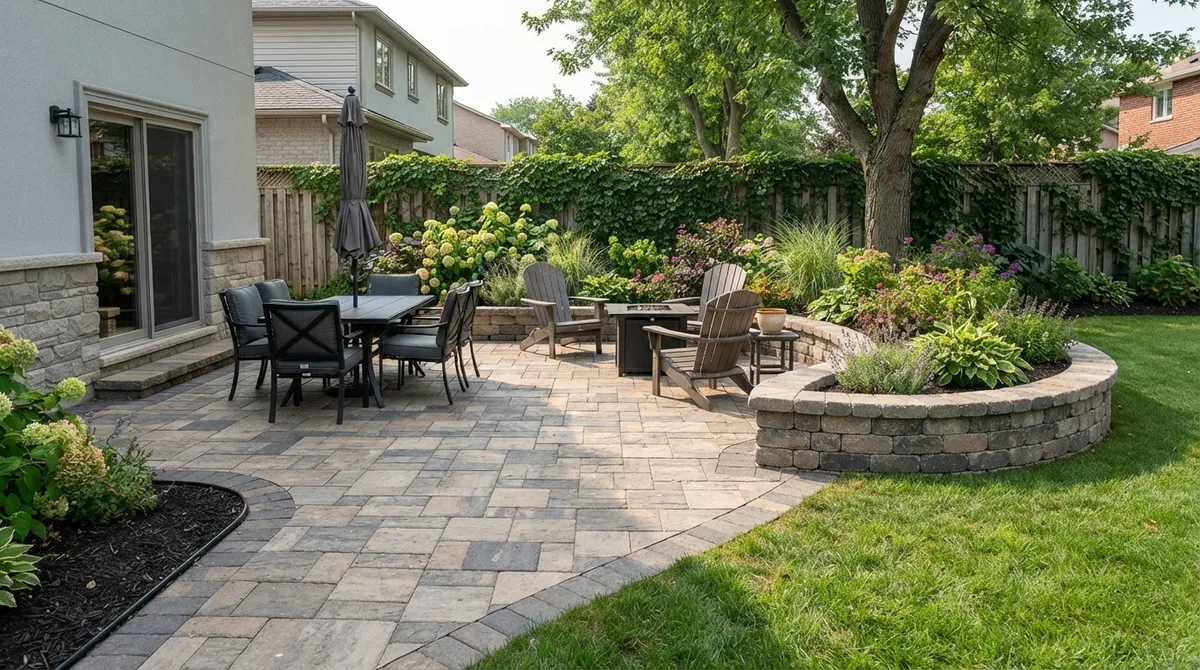
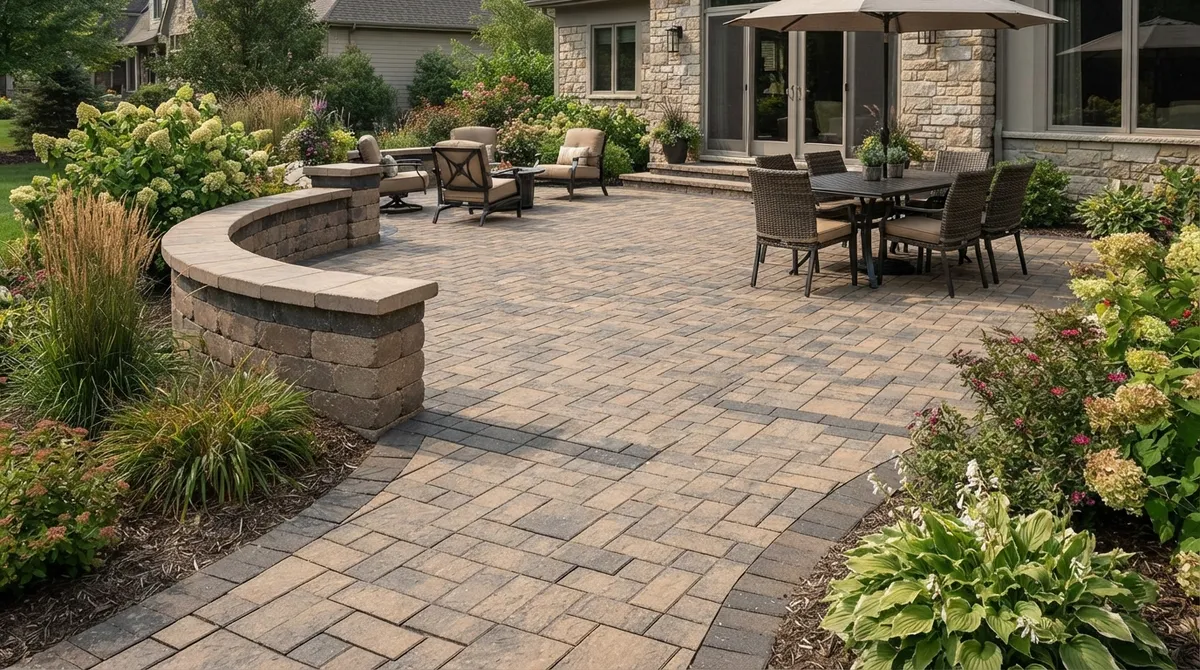
A paver patio is an outdoor living surface made from individual units, laid over a carefully prepared base. Those units are usually concrete, clay brick, or natural stone. Interlocking concrete pavers are especially popular because they come in so many shapes, colors, and patterns.
Unlike a poured slab, pavers are modular. Each piece locks in with its neighbors, so the whole surface can flex a little with the ground. If one paver gets stained or damaged, it can often be lifted out and replaced without tearing up the entire patio.
Paver patios are also flexible in design. You can pair them with steps, seating walls, fire pits, planting beds, and even outdoor kitchens. Our paver services cover all of these combinations, so you can plan one cohesive space.
Why Choose Paver Patios Over Other Surfaces?
Homeowners often ask us how pavers stack up against poured concrete or wood decking. Here are the main reasons people lean toward pavers:
- Repairs are simple. You can replace a single paver instead of a whole section.
- Design options are wide. Pick from many colors, textures, and layouts, from classic herringbone to modern large-format looks.
- They handle movement well. The joints allow small shifts without cracking the way a rigid slab can.
- They add curb appeal and value. A well-designed patio makes a property feel finished and inviting.
- They work with water. Properly graded patios shed rain, and permeable systems can let water soak through the joints.
If you want to dig deeper into the style and durability side, take a look at how pavers transform outdoor space with style and durability.
Choosing the Right Paver Material
There is no single best paver. The right pick depends on your budget, your style, and how you plan to use the space. Here is a quick comparison to help you sort through the options.
| Material | Look and Feel | Strengths | Things to Consider |
|---|---|---|---|
| Concrete pavers | Wide range of colors, shapes, and textures | Versatile, widely available, strong value | Color may soften over time without care |
| Clay brick pavers | Classic, warm, traditional tones | Rich color that tends to hold up well | Fewer shape options; often higher cost |
| Natural stone | Unique, organic, high-end character | One-of-a-kind patterns and premium appeal | Usually the highest cost; varied surfaces |
Curious about brick? We break it down in what makes clay brick pavers a great choice. And if you are torn between man-made and natural options, our guide on concrete vs. natural stone can help you decide.
How Much Do Paver Patios Cost in 2026?
Let’s talk numbers, because this is the question everyone wants answered first. Published 2026 estimates for installed paver patios commonly land between about $10 and $40 per square foot. That is a wide range, and for good reason.
Some guides place a common mid-range price near $15 to $20 per square foot. Others report $16 to $34 per square foot for interlocking concrete pavers. These sources cover different regions and project scopes, so treat them as a rough starting point rather than a firm quote.
To give you a feel for scale, one 2026 cost guide estimates materials alone for a 400-square-foot patio at roughly $1,851 to $2,782. That figure does not include labor, excavation, or base work, which often make up a big share of the final bill.
What Drives the Price Up or Down?
- Size and shape. Curves, circles, and complex patterns take more cutting and labor than simple rectangles.
- Material choice. Natural stone usually costs more than concrete pavers.
- Site access. Tight gates or long hauls for materials add time.
- Soil and drainage. Clay-heavy or wet soil may need a deeper base or drainage work.
- Extras. Steps, seating walls, lighting, and fire features all add to the scope.
Because so many factors play in, an itemized local quote is the most reliable way to know your real cost. Not sure how to compare quotes? Our tips on reading landscape quotes fairly will save you headaches.
How Paver Patios Are Built: The Layers That Matter
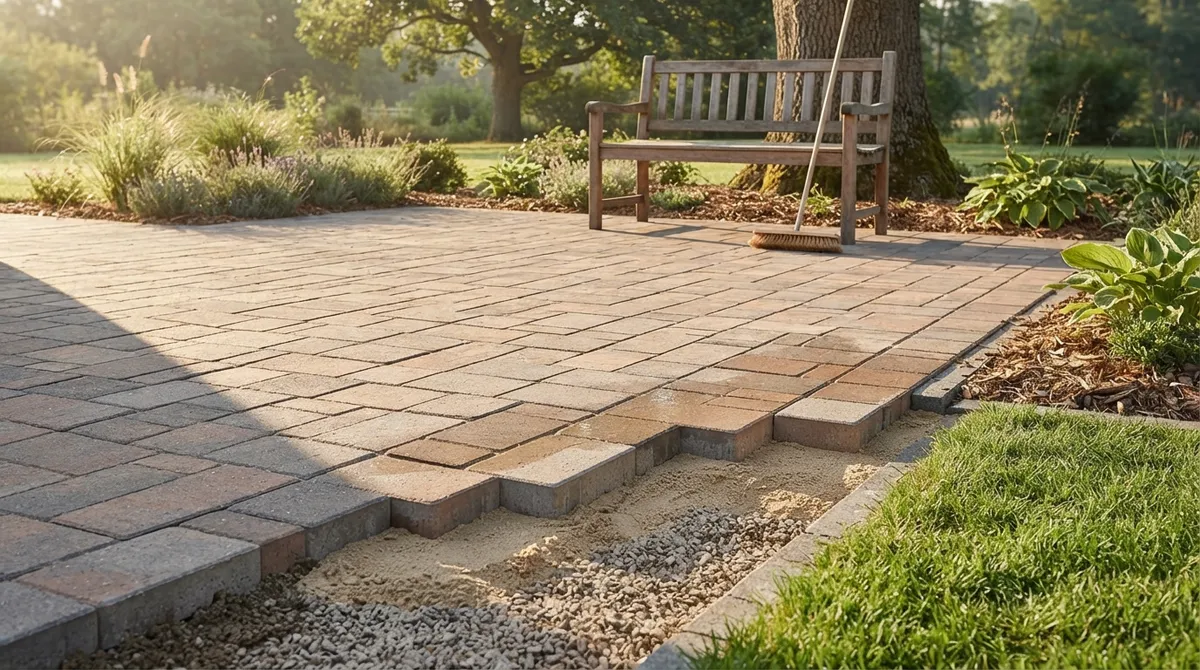
Here is the part that separates a patio that lasts from one that sinks, shifts, or heaves after a couple of winters. Long-term performance depends on what you cannot see: excavation, subgrade, base, bedding, edge restraints, and joint fill.
Industry guidance from groups like the Interlocking Concrete Pavement Institute commonly calls for a minimum 4-inch compacted aggregate base for pedestrian patios on well-drained soil. On weak, wet, clay-rich, or frost-prone soils, a deeper base may be needed. Since much of Chicagoland has clay soil and real frost, this is not a place to cut corners.
The Installation Process, Step by Step
- Plan and mark the layout. Decide on size, shape, and how the patio connects to doors, lawns, and walkways.
- Excavate. Remove sod and soil to the depth needed for the base, bedding, and paver thickness.
- Prepare the subgrade. Compact the native soil so it is firm and stable.
- Install and compact the aggregate base. This layer carries the load and helps with drainage. It is built in compacted lifts, not dumped in all at once.
- Add the bedding layer. About 1 inch of sand is screeded smooth. It levels the surface but does not replace a solid base.
- Lay the pavers. They are set in the chosen pattern and cut to fit edges and curves.
- Install edge restraints. These keep the pavers from spreading or drifting over time.
- Fill the joints. Joint material is swept in and the surface is compacted so everything locks together.
Want a peek at how we work from start to finish? Visit our process page to see how a project moves from first consultation to final reveal.
Drainage: The Secret to a Patio That Lasts
Water is the number one enemy of any hardscape. A patio that holds water can grow algae, freeze into slick patches, and slowly lose its base. That is why grading matters so much.
A commonly cited target is a slope of roughly 1% to 2% directed away from the house. The right grade and drainage plan depend on your yard and any local requirements, so it should be set during design, not guessed at during install.
Some properties need extra help. Dry wells, drain lines, or permeable paver systems can manage runoff on tricky sites. Permeable systems do need upkeep to keep joints open, but they can be a smart option for stormwater-conscious properties.
Sloped yard? A retaining wall may be part of the answer. See how retaining walls turn sloped yards into usable spaces for ideas.
Design Ideas to Make Your Patio Shine
Once the structure is sound, the fun begins. Great paver patios feel like a natural extension of your home. Here are a few ways to add personality and function:
- Add a fire feature. A fire pit or fireplace extends your patio season well into the cool Chicago fall. Browse fire pit paver patio ideas for inspiration.
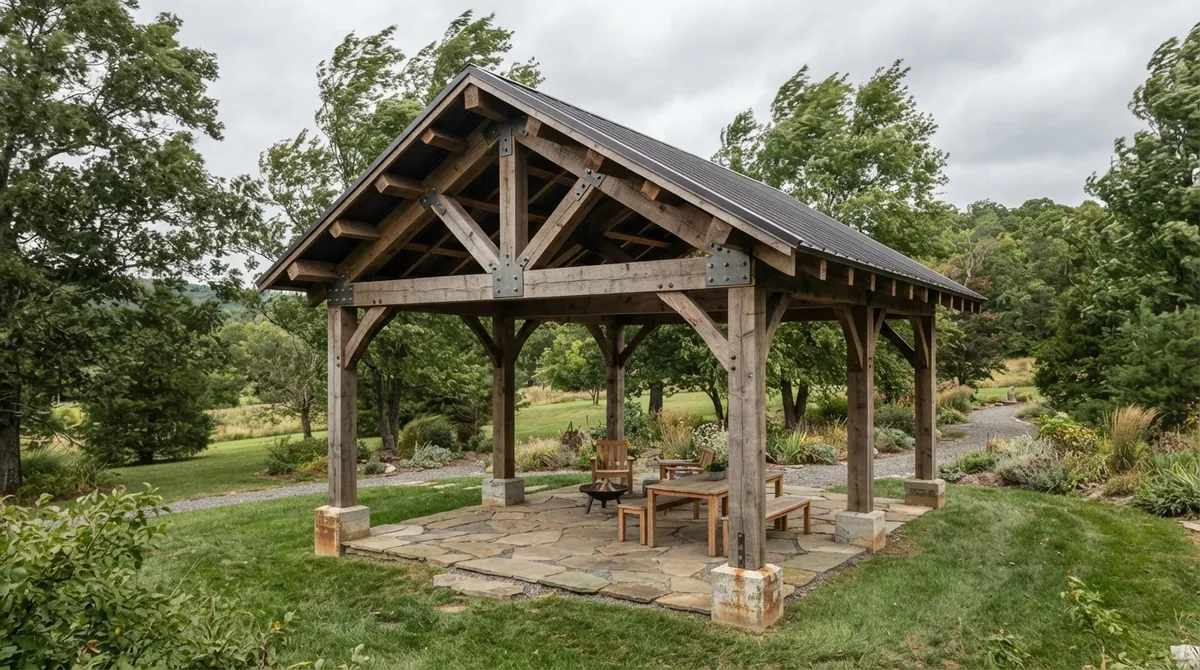
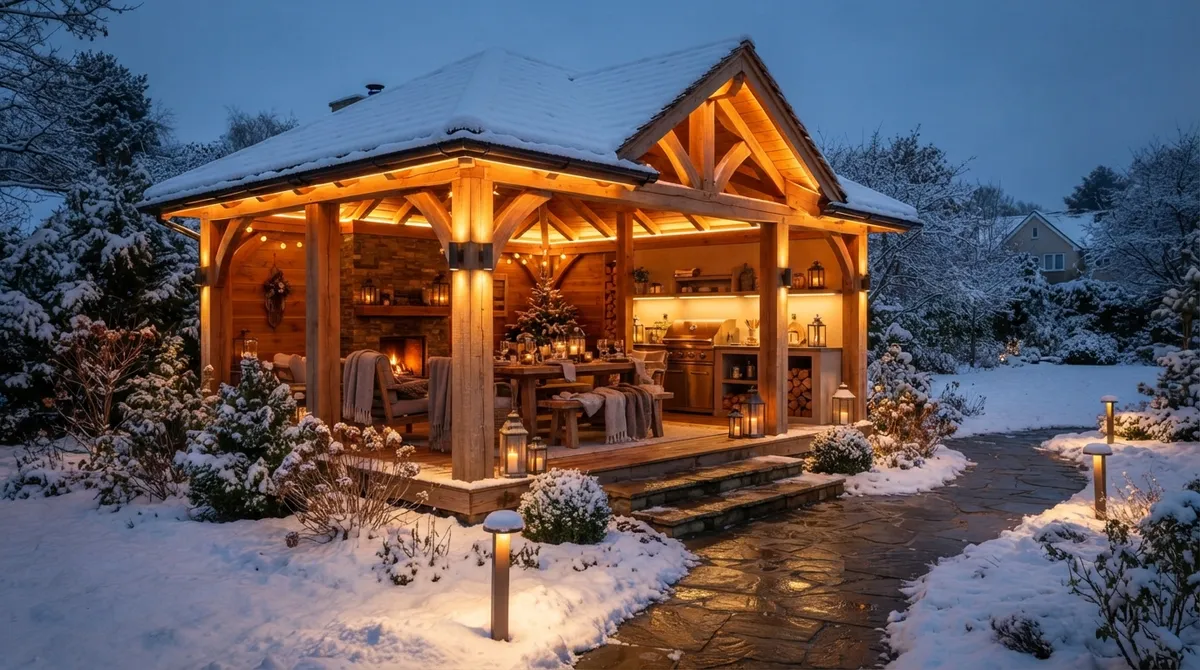
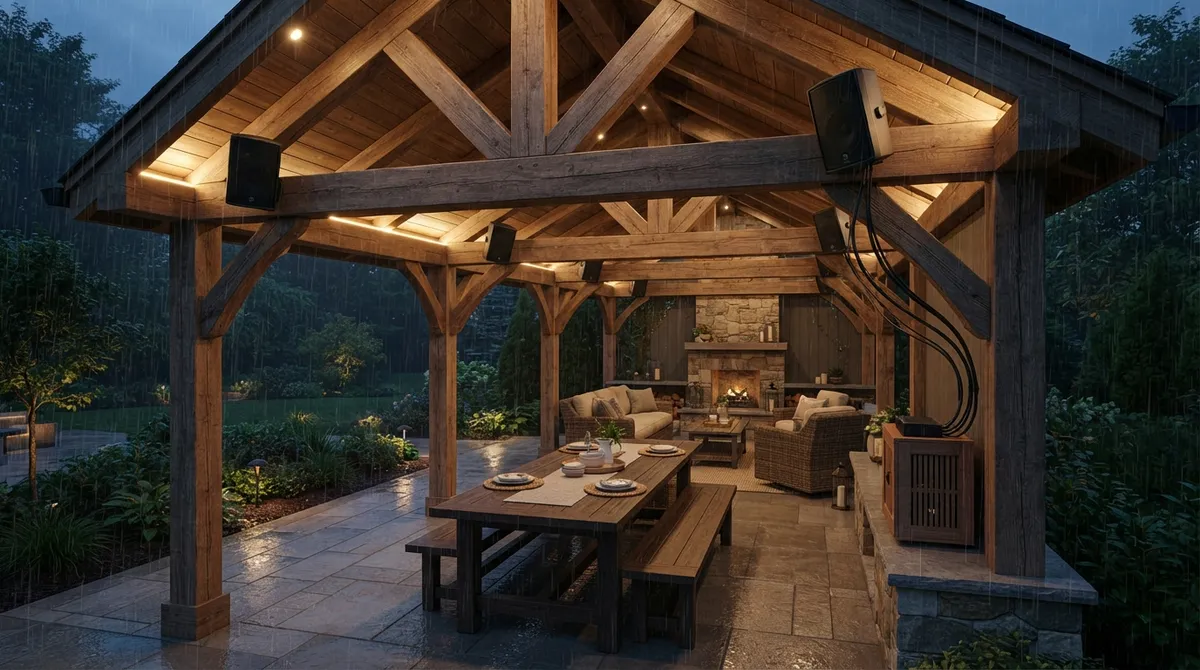
- Layer in shade. A pergola or pavilion gives you relief from summer sun and a cozy sense of enclosure.
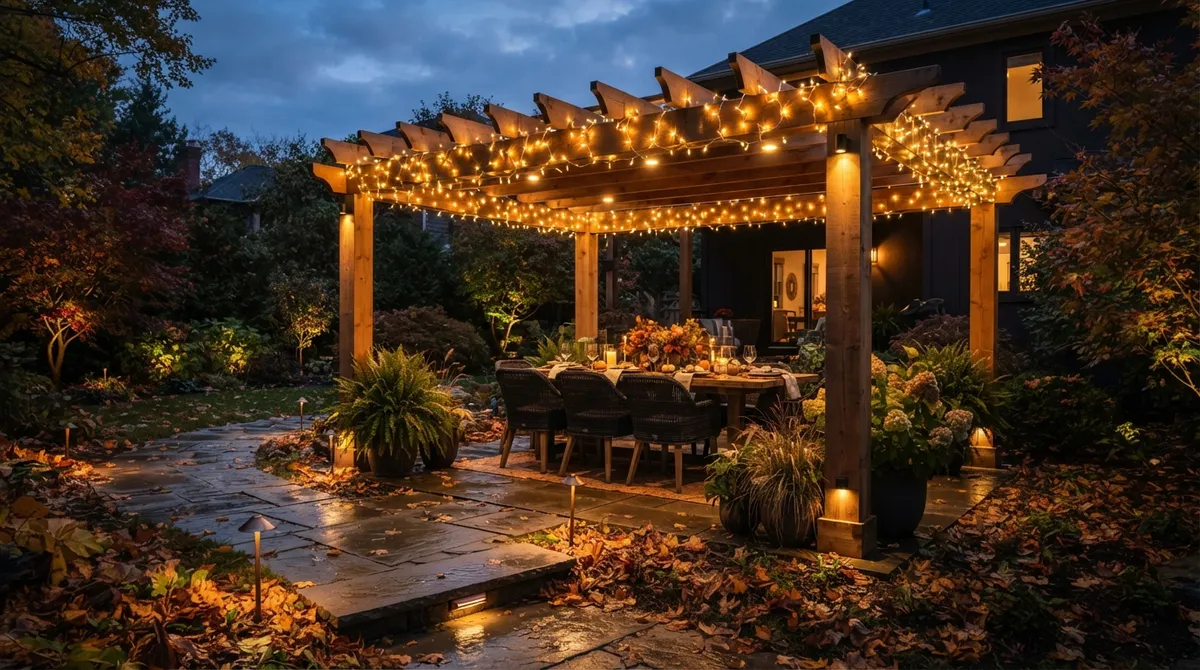
- Light it up. Thoughtful lighting and sound make evenings safer and more magical.
- Soften the edges. Planting beds and softscapes bring color and texture to the hard surface.
- Build in seating. Low walls double as extra seats and help define the space.
For more layout thinking, our guide on designing a stunning paver patio walks through shapes, patterns, and flow.
Paver Patios for Different Properties
Paver patios are not just for big suburban backyards. They fit many settings across the Chicago area.
Suburban Homes
For suburban homeowners, a patio is often the heart of the backyard. It can meet HOA standards, boost curb appeal, and give the family a dependable spot for dinners and gatherings, even with tricky clay soil.
Urban Condos and Small Spaces
City dwellers can use pavers to make a small yard or courtyard feel bigger and more organized. Light-colored pavers and clean lines can help a compact area feel open, and low-maintenance surfaces mean more time to relax.
Businesses and Commercial Properties
Restaurants, shops, and office buildings use pavers to create welcoming entries, outdoor seating, and walkable gathering spots. Durable surfaces and good drainage are key where foot traffic is heavy. See why commercial properties need professional paver contractors for more.
New Builds
For builders delivering turnkey homes, a finished patio is a strong selling point. A complete outdoor package helps buyers picture themselves living there from day one.
Caring for Your Paver Patio
The good news: paver patios are fairly easy to look after. A little routine care goes a long way.
- Sweep regularly. Clearing leaves and debris keeps the surface tidy and prevents stains.
- Treat stains quickly. Oil, grease, and spills are easier to handle when they are fresh.
- Top up joint material. Over time, joints can lose fill. Replenishing it keeps pavers locked tightly.
- Watch for weeds. Keeping joints filled and surfaces clean helps discourage growth.
- Be gentle in winter. Use plow and de-icing methods that are safe for your specific pavers.
Do You Need to Seal Pavers?
Sealing is optional. A sealer can deepen color and help resist stains and joint erosion. The Concrete Masonry & Hardscapes Association notes that sealers may need reapplication every 3 to 5 years, depending on the product and conditions. If you love a rich, fresh look, sealing may be worth it. If you prefer a natural finish, you can skip it.
Common Mistakes to Avoid
After more than two decades in this field, we see the same missteps again and again. Dodge these, and your patio will thank you:
- Skimping on the base. A thin or poorly compacted base leads to sinking and uneven spots.
- Ignoring drainage. Water that has nowhere to go will cause trouble.
- Skipping edge restraints. Without them, pavers can spread and shift.
- Choosing price over experience. The cheapest quote often leaves out critical prep work.
- Not planning for the future. Think about fire pits, lighting, or kitchens now so utilities and layout work together later.
Our rundown of hardscaping mistakes to avoid goes into even more detail.
How to Choose the Right Professional
Because so much of a patio’s success is hidden below the surface, who builds it matters a lot. Look for a contractor who talks openly about base depth, compaction, drainage, and edge restraints. Ask for an itemized quote and examples of past work.
It also helps to look for professionals with industry credentials. For example, the ICPI Certified Installer program is one way to find installers trained in proper paver techniques. You can also explore resources from Landscape Illinois to learn more about the local landscaping community.
At Serenity Landscape Group, we handle everything from design to installation to ongoing care, so you get one team and one clear plan. Take a look at our gallery of our work to see what is possible, or read our advice on choosing professional paver installation.
Ready to Build Your Dream Patio?
Paver patios blend beauty, strength, and flexibility, and they can grow with your lifestyle. When they are designed with the right base, grading, and details, they can serve your family or customers well for many seasons.
If you are ready to bring your outdoor space to life, we would love to talk. Get a free estimate from our team, or call us at (630) 359-5139 to chat about your ideas. Let’s create an outdoor space you will be proud to call your favorite place to relax.
FAQs
Q: How much does a professionally installed paver patio cost per square foot?
A: Published 2026 estimates commonly range from about $10 to $40 per square foot installed, with many mid-range projects near $15 to $20. Your price depends on size, material, soil, access, and design details, so an itemized local quote is the best way to get a real number.
Q: How deep should the gravel base be for a paver patio?
A: For pedestrian patios on well-drained soil, industry guidance commonly calls for at least a 4-inch compacted aggregate base, topped with about 1 inch of bedding sand. In clay-rich, wet, or frost-prone soils like much of Chicagoland, a deeper base may be needed, so a site assessment is key.
Q: Do paver patios need to be sealed, and how often?
A: Sealing is optional, not required. A sealer can enhance color and help resist stains and joint wear, but it usually needs reapplying every 3 to 5 years depending on the product and conditions.
Q: How do you prevent weeds from growing between patio pavers?
A: Start with a properly compacted base and fully filled joints, then sweep debris away and top up joint material when it wears down. Keeping the surface clean and the joints tight gives weeds very little room to take hold.
Q: How long do paver patios last, and what maintenance do they need?
A: A well-built paver patio can serve you for many years, especially when the base, grading, and edge restraints are done right. Routine care is simple: sweep often, clean stains quickly, refill joint material as needed, and reseal if you choose to use a sealer.