Key Takeaways
-
A pavilion with a solid roof is the stronger choice for reliable rain protection in Chicago, while a pergola suits those wanting filtered shade and an airy, garden-like feel.
-
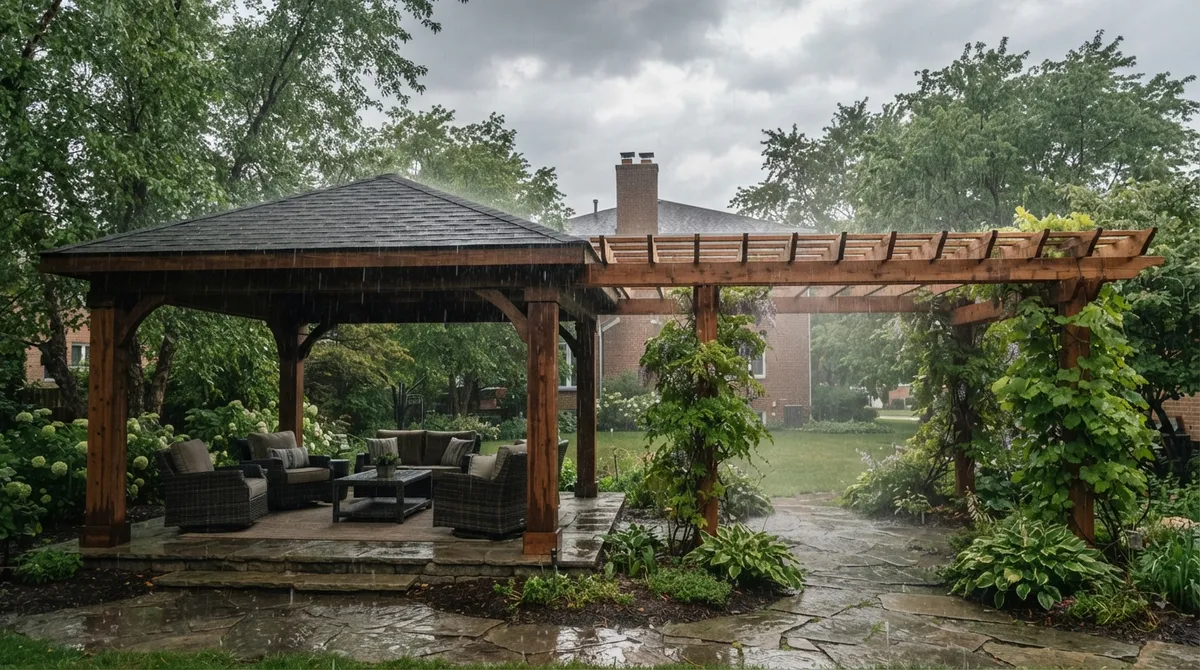
A standard open pergola lets rain and snow pass through, so it won't keep furniture or guests dry during sudden summer storms or winter weather.
-
A solid pavilion roof catches snow and wind like a sail, so it needs stronger framing, connections, and foundations than a comparable open pergola.
-
Chicago's freeze-thaw cycles can heave poorly built footings and damage wood and joints, so secure anchoring and proper drainage matter as much as appearance.
-
Permit, zoning, setback, and HOA rules vary by city and suburb and often apply more strictly to solid-roof pavilions, so confirm requirements before building.
-
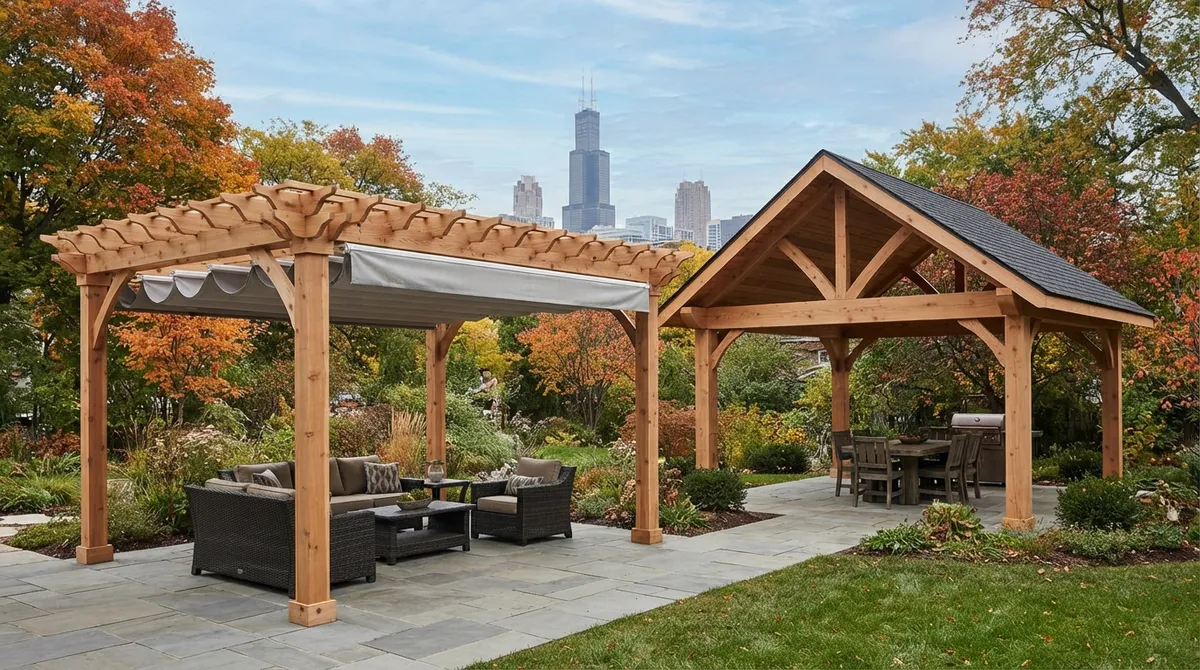
A hybrid setup, with a pavilion over the dining area and a pergola over a lounge or garden path, can deliver both reliable shelter and open-air charm.
Picture this: it’s a warm June evening, the grill is going, and your family is settled in for dinner outside. Then the clouds roll in. If you live around Chicago, you know how fast the weather can flip. That’s exactly why the pergola versus pavilion for Chicago weather question matters so much before you build anything.
Both structures make a backyard feel like a true outdoor room. But they handle rain, snow, sun, and wind very differently. Pick the wrong one and you could end up with a soggy patio or a roof that needs costly repairs.
The good news? Once you know how each one works, the choice gets a lot easier. In this guide, we’ll walk through the real differences, how Chicago’s climate affects each structure, what materials hold up, and how to decide what fits your yard and your lifestyle. Let’s dig in!
The Quick Answer: Which Is Better for Chicago Weather?
If you want reliable cover from rain, a pavilion is the stronger pick. Its solid roof keeps the space dry. If you want filtered shade and an open, garden-like feel, a pergola is a great fit.
Neither is “better” in every case. The right answer depends on how you plan to use the space. Here’s a simple way to think about it:
- Choose a pergola if you love dappled shade, climbing plants, and an airy look.
- Choose a pavilion if you want a dry spot for dining, furniture, or an outdoor kitchen, even when the sky opens up.
Now let’s look at why Chicago’s weather makes this choice such a big deal.
Understanding Chicago’s Weather Challenges
Chicago has four very real seasons, and your outdoor structure has to survive all of them. According to the National Weather Service’s 1991–2020 climate normals, Chicago averages about 38.4 inches of snowfall and 37.86 inches of precipitation each year. Those are averages, not design numbers for your specific yard. But they paint a clear picture: this is not a mild climate.
Here’s what your structure will face:
- Snow and ice: Snow season stretches from fall into spring, so this isn’t just a midwinter concern.
- Freeze-thaw cycles: Water seeps into wood, concrete, and joints, freezes, expands, and slowly causes damage.
- Strong winds: Gusts off the lake and across open suburban lots can put real pressure on a structure.
- Heavy summer storms: Sudden downpours can soak open-air spaces in minutes.
Because of all this, structure, materials, drainage, and anchoring matter just as much as looks.
What Is a Pergola?
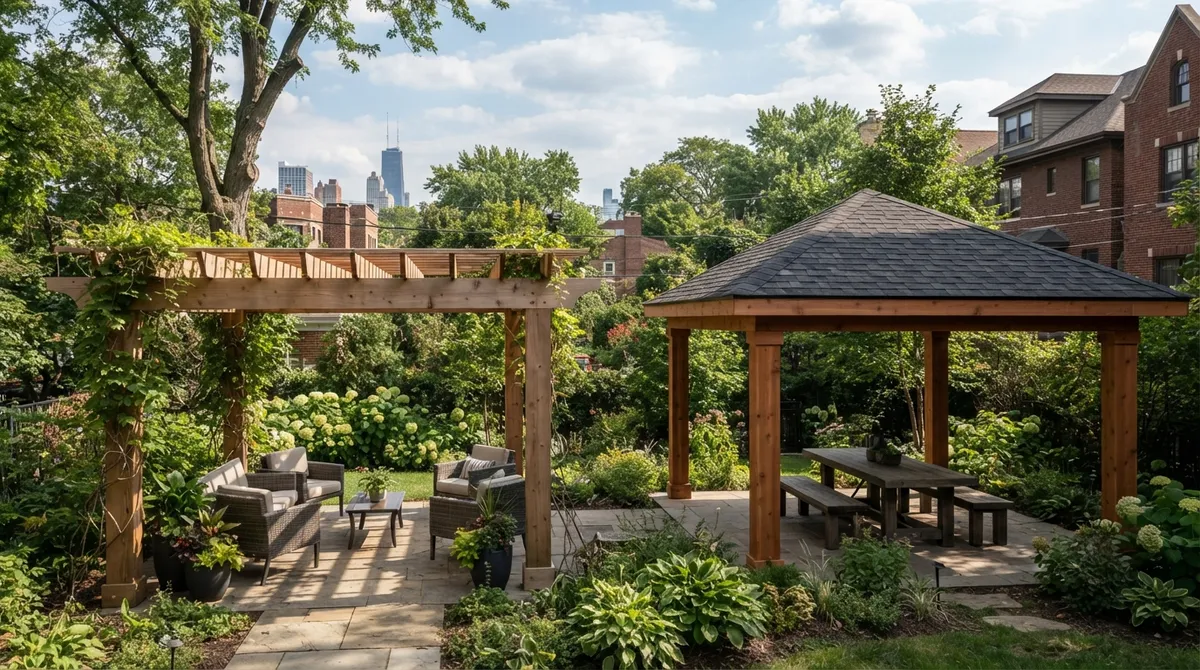
A pergola is an open-air structure with posts and a roof made of beams or slats. The spaces between those slats let sunlight, air, rain, and snow pass through. You get shifting, filtered shade instead of full cover.
Pergolas are loved for their style. They define a space without closing it in. They also work beautifully with climbing vines, string lights, and fabric canopies. For design inspiration, take a look at our 13 stunning pergola designs to transform your outdoor space in 2026.
How a Pergola Handles Chicago Weather
Here’s the honest truth: a standard open pergola is not dependable shelter from Chicago rain or winter weather. Water and snow fall right through. Your patio furniture will get wet.
Many homeowners are surprised by one thing, though. Even an open pergola still has snow considerations. Snow can pile up or bridge between closely spaced slats. So the structure still needs to be built strong enough for it.
On the plus side, an open roof lets wind pass through more easily. That can be helpful on a breezy lot.
What Is a Pavilion?
A pavilion has a solid roof, often shingled, metal, or matched to your home’s roofline. It sits on sturdy posts and can be open on all sides or partly enclosed. Think of it as an outdoor room with a real ceiling.
Pavilions shine when you want to use your backyard in more weather. They’re a great home for dining sets, outdoor kitchens, fireplaces, and even TVs. To learn more about how they work, check out what pavilions are and how they can transform your outdoor space.
How a Pavilion Handles Chicago Weather
A pavilion keeps rain off your furniture and your guests. It also gives you better sun protection and a more usable space in spring and fall, when Chicago weather gets unpredictable.
But there’s a tradeoff. A solid roof catches snow and wind like a sail. That means the roof framing, connections, and foundations need to be more substantial than those of a comparable open pergola. The roof has to carry real weather loads.
That’s why good design and proper footings are not optional here. Not sure how your roof will hold up once flakes start falling? Our guide to pavilion roof inspection steps before snowfall can help you stay ahead of it.
Pergola vs Pavilion: Side-by-Side Comparison
Sometimes a quick table says it best. Here’s how the two stack up in a Chicago-style climate:
| Feature | Pergola | Pavilion |
|---|---|---|
| Rain protection | Minimal, rain passes through | Excellent, solid roof stays dry |
| Sun protection | Partial, filtered shade | Full shade under the roof |
| Snow handling | Snow passes or can bridge between slats | Roof carries snow load, needs stronger framing |
| Wind behavior | Open roof lets wind pass through | Solid roof catches wind, needs secure anchoring |
| Best for | Gardens, filtered shade, climbing plants | Dining, kitchens, all-weather lounging |
| Shoulder-season use | Limited | Strong |
| Structural demands | Moderate | Higher |
Materials That Stand Up to Freeze-Thaw Cycles
Material choice affects how long your structure lasts and how much work it needs. In Chicago’s freeze-thaw climate, you want materials and hardware made for wet, cold conditions.
- Pressure-treated or naturally durable wood: Warm and classic. It needs the right sealing and regular upkeep to last.
- Metal (such as aluminum or steel): Low-maintenance and strong, though costs, look, and care needs differ.
- Composite and vinyl-wrapped options: Resist rot and need less upkeep, with their own price and style tradeoffs.
- Exterior-rated hardware and finishes: Whatever you choose, use fasteners and coatings rated for wet and freezing weather.
Stonework can also add durability and beauty at the base of your posts. Our post on why stonework is the secret to a stunning outdoor space shows how. And if you’re weighing cold-climate options, see which pavilion materials handle cold climates best.
Foundations, Drainage, and Anchoring
A beautiful structure is only as good as what’s under it. In Chicago, frost can heave poorly built footings. Water that pools around posts can cause rot or rust over time.
Keep these points in mind:
- Secure anchoring: Posts should be tied to proper footings designed for local conditions, not just set on top of a patio.
- Good drainage: Grade the ground so water flows away from posts and the patio edge.
- Gutters for pavilions: A solid roof sheds a lot of water. Plan where it goes so it doesn’t flood your yard.
- Strong base surface: A well-built paver patio gives you a stable, good-looking floor. Learn more about integrating a pergola with a paver patio.
Permits, Zoning, and Local Rules
Before you build, check the rules where you live. Chicago and its suburbs each have their own requirements. Rules can change depending on the size of the structure, whether it attaches to your home, and whether the roof is open or solid.
A solid-roof pavilion often gets more scrutiny because it has to carry weather loads. Always confirm permit, zoning, setback, and structural requirements with your municipality before you start. If you’re in an HOA community, check those guidelines too.
A professional team can help you sort through this. It’s one of the biggest reasons homeowners lean on experienced contractors rather than going it alone. For more on finding qualified pros, Landscape Illinois is a helpful industry resource.
Which One Fits Your Lifestyle?
Let’s make this practical. Here’s how different homeowners and property owners tend to choose.
Suburban Homeowners
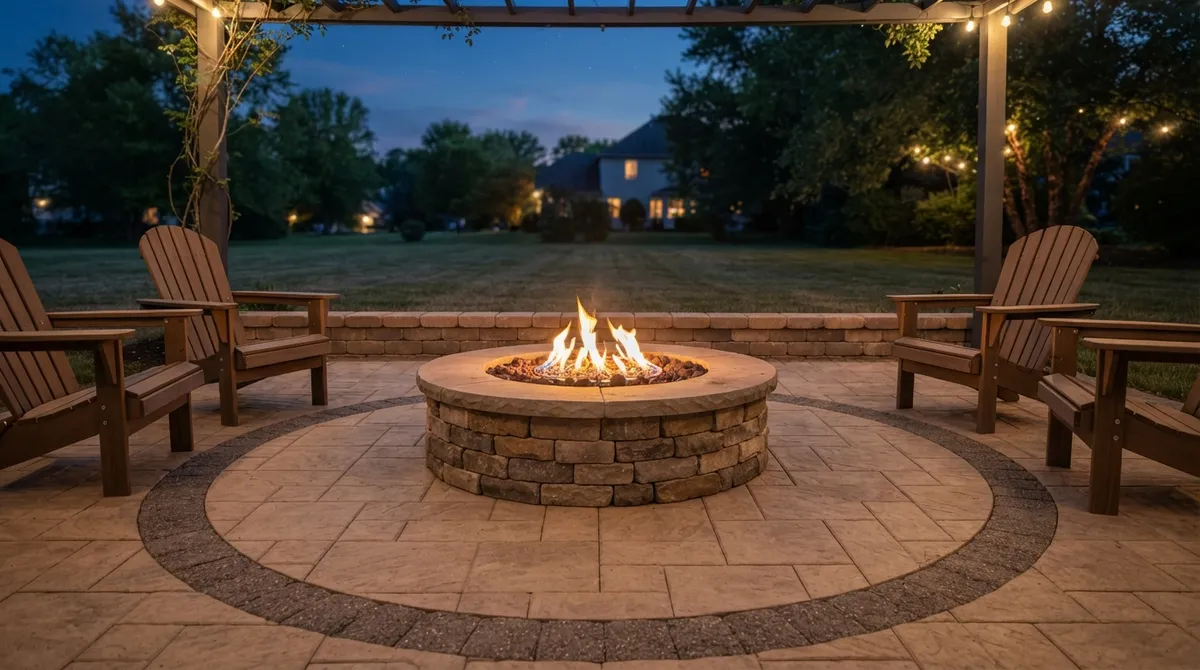
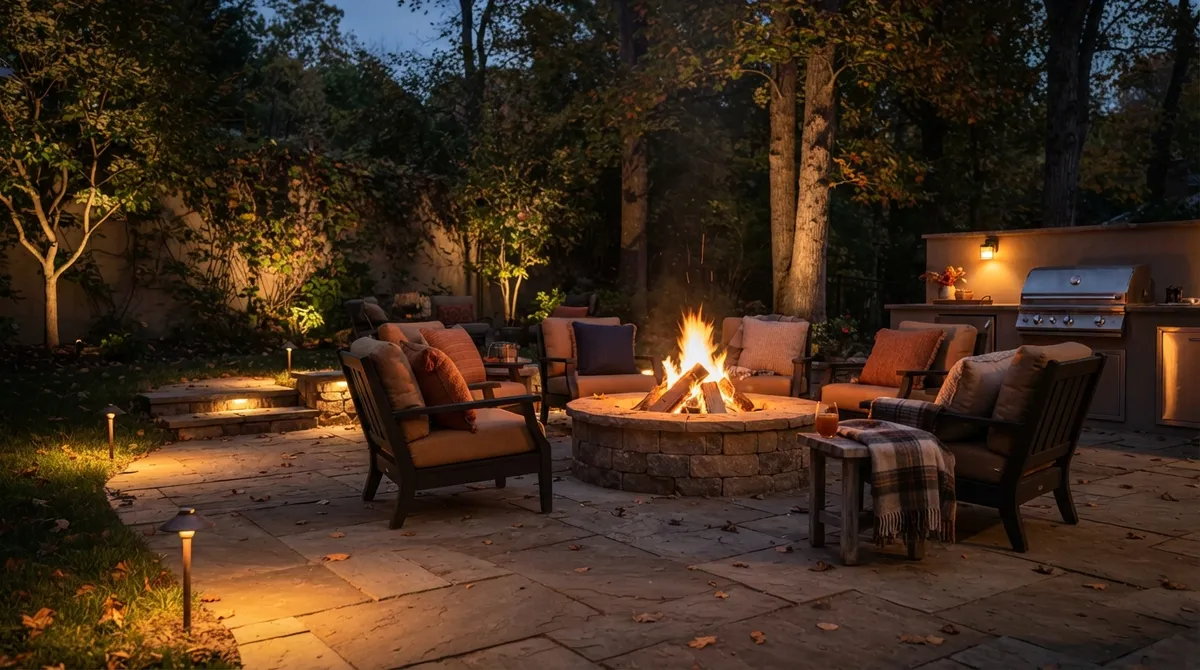
If you have a bigger yard and love to entertain, a pavilion can become your backyard’s main event. Add a fire feature nearby and you’ll use the space well into the fall. See our ideas for fire pits that transform backyards.
Urban Condo and Small-Space Owners
With less room, an open pergola can add structure and shade without feeling heavy. It also pairs well with potted plants and string lights. For tight lots, check out how to design a pergola for a small Chicago backyard. Rooftop and balcony setups have extra weight and wind rules, so always confirm requirements first.
Business and Commercial Owners
Restaurants, shops, and offices often want guests to use outdoor seating in more weather. A pavilion can extend your season and add real curb appeal. A pergola can define a patio and soften a hard-edged space.
New Home Builders
Builders want turnkey outdoor features that wow buyers. A well-built pavilion adds an instant “outdoor room” feel, while a pergola offers style at a gentler scope. Either way, one coordinated plan keeps things clean.
Planning Tips to Get It Right
Ready to move forward? Follow these steps to keep your project smooth:
- Decide how you’ll use the space. Dining, lounging, cooking, or gardening all point to different choices.
- Think about sun and wind. Notice where the sun hits in each season. Our tips on placing a pergola for seasonal sunlight can help.
- Check local rules. Confirm permits and setbacks for your city or suburb.
- Choose durable materials. Pick finishes and hardware made for freeze-thaw conditions.
- Plan the base and drainage. A solid foundation protects your investment.
- Add the finishing touches. Lighting, sound, and plants make the space feel complete.
Speaking of finishing touches, lighting and sound can turn either structure into a place you’ll want to be at night. For pavilions especially, see how to light a pavilion for cozy winter evenings.
Keeping Your Structure Healthy Through the Seasons
Even the best structure needs a little love. Wood pergolas, in particular, benefit from seasonal care. A few simple habits go a long way:
- Clean and inspect beams and posts each fall.
- Reseal or restain wood as needed.
- Check hardware and connections after heavy storms.
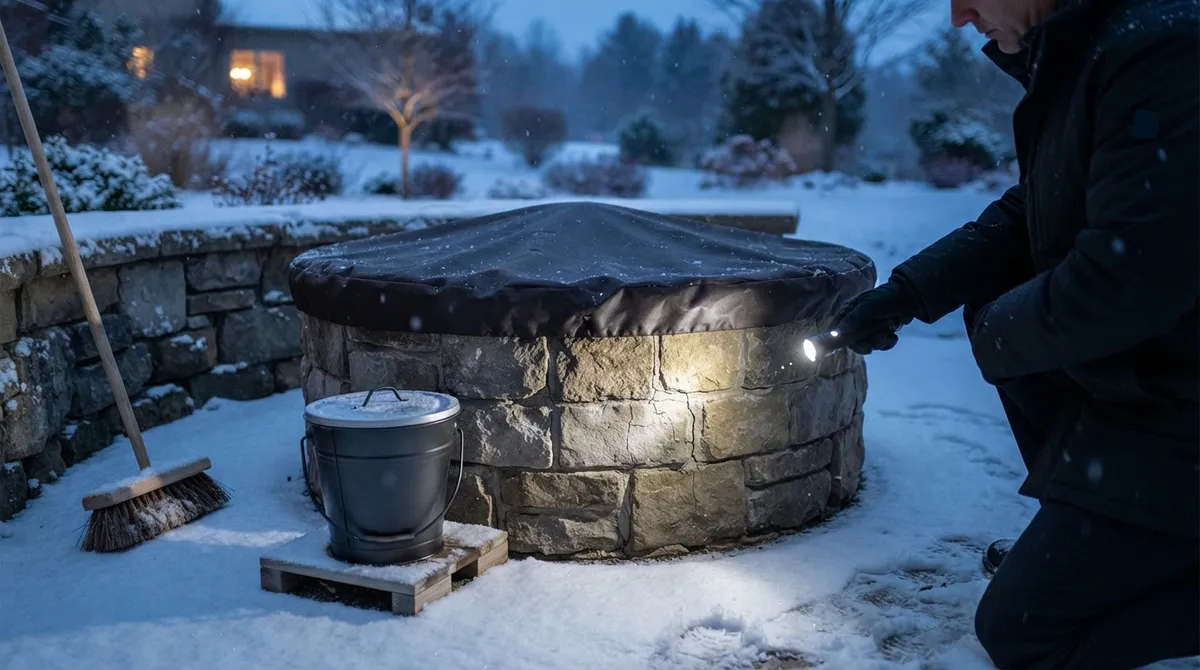
- Clear heavy snow buildup from solid roofs when it’s safe to do so.
For step-by-step help, see our guides on protecting your wood pergola this winter and pergola maintenance before winter.
Can’t Decide? Consider a Hybrid Approach
You don’t always have to choose just one. Some homeowners build a pavilion over the dining area for rain cover and add a pergola nearby over a lounge or garden path. Others add a retractable shade canopy to a pergola for extra flexibility.
This mix gives you the best of both worlds: reliable shelter where you need it and open-air charm where you want it. Explore our full range of pergolas and pavilions to see what’s possible.
Your Next Step
Choosing between a pergola and a pavilion comes down to how you want to live outside. Love filtered light and a garden feel? Go pergola. Want a dependable, dry spot that stretches your season? Go pavilion. Either way, Chicago’s snow, wind, and freeze-thaw cycles mean strong design and smart materials are a must.
At Serenity Landscape Group, we’ve spent over two decades helping Chicago-area families and businesses build outdoor spaces that last. We’ll help you think through the design, structure, and local requirements so there are no surprises. You can also browse our gallery of our work for ideas.
Ready to get started? Get a Free Estimate today, or call us at (630) 359-5139 to talk through your vision. We’d love to help you create an outdoor space you’ll enjoy in every season.
FAQs
Q: Is a pergola or pavilion better for Chicago weather?
A: It depends on how you want to use your space. A pavilion’s solid roof gives much better protection from rain and sun, while a pergola offers filtered shade and an open feel. Both need strong design and durable materials to handle Chicago’s snow, wind, and freeze-thaw cycles.
Q: Does a pergola protect you from rain or snow?
A: Not reliably. A standard open or slatted pergola lets rain and snow pass through, so it won’t keep you or your furniture dry. If dependable cover matters most, a pavilion is the better choice.
Q: Can a pavilion roof handle Chicago snow loads?
A: Yes, when it’s designed and built for it. A solid roof catches snow and wind, so it needs sturdier framing, connections, and foundations than an open pergola. Have the design confirmed against your local requirements before you build.
Q: Do I need a permit to build a pergola or pavilion in Chicago or its suburbs?
A: Often, yes, but it varies by city, suburb, size, and whether the structure attaches to your home or has a solid roof. Always check permit, zoning, and setback rules with your municipality first. A professional landscaper can help you through the process.
Q: What materials hold up best in Chicago’s freeze-thaw climate?
A: Pressure-treated or naturally durable wood, metal, and composite options can all work well when paired with exterior-rated hardware and finishes. Each has different costs, looks, and care needs. Good drainage and secure anchoring matter just as much as the material itself.